
Private, tailor-made holidays from Mumbai
Holidays, personally designed.
Tell us how you like to travel. Prafull Pitale, with 18 years in travel, designs your trip day by day, books the right hotels and a private car, and stays a phone call away until you're home.
Know what you want? Send Prafull your plan →
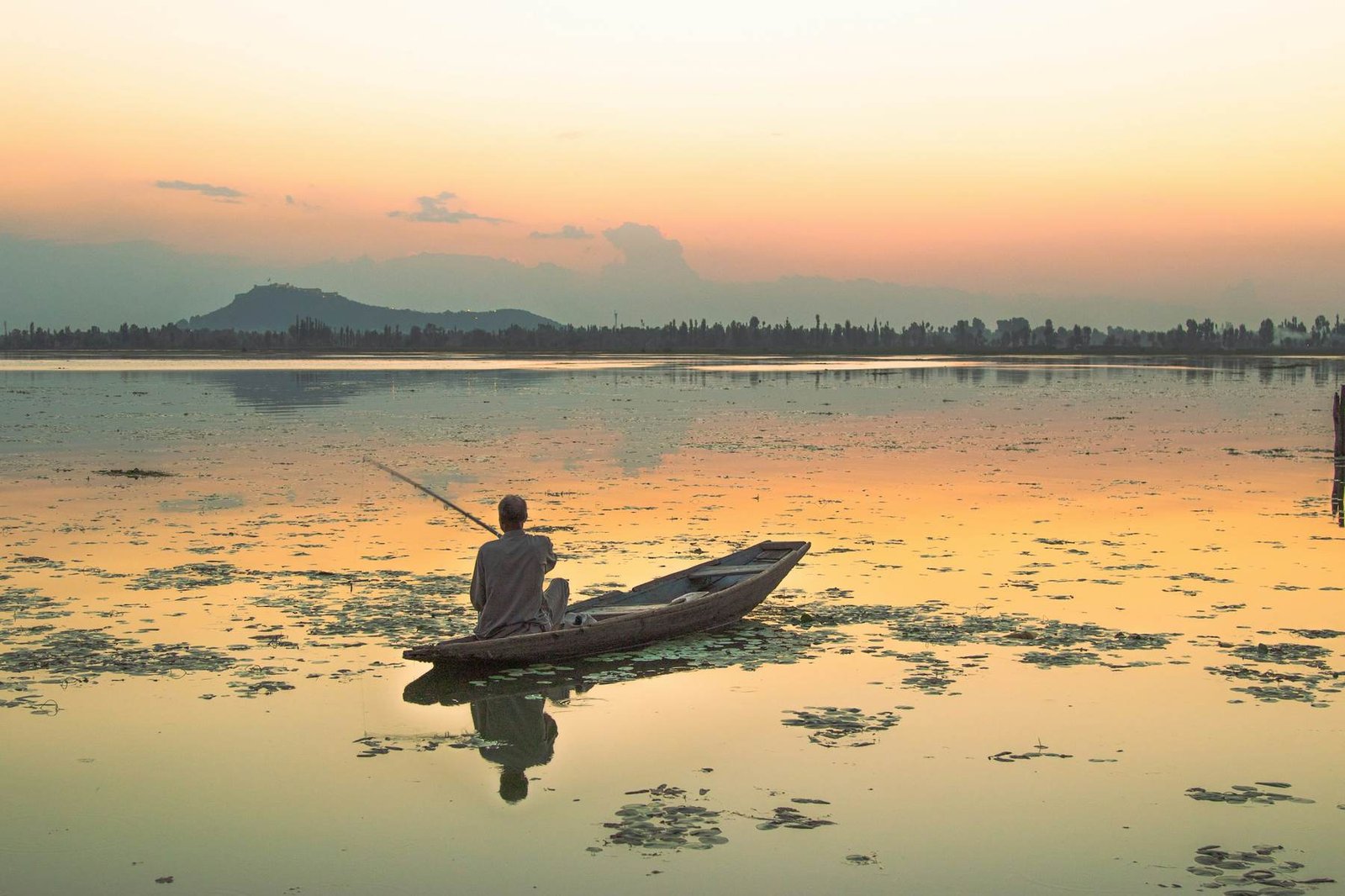
Dal Lake, Srinagar · Photo: Muazam Mohi ud din / Unsplash
Designed by Prafull18 years in travel; every itinerary his own
Private, never groupYour own car, driver and pace
24/7 while you travelA real person, not a call centre
IATO & MTOA memberMumbai office since 2016
Start your journey
Where would you like to wake up next?

Kashmir
Houseboats, meadows and winter snow.
From ₹17,500 pp
Kerala
Tea hills, backwaters, a slower pace.
From ₹15,500 pp
Himachal & Amritsar
Mountain towns and the Golden Temple.
From ₹17,500 pp
Rajasthan
Forts, lakes and a night in the dunes.
From ₹17,000 pp
Ladakh
High passes and blue lakes, June to September.
From ₹27,000 pp
South India
Great temples, coffee hills and coast.
From ₹16,500 pp
Bali
Rice terraces, villas and cliff temples.
From ₹27,000 pp
Bhutan
Monasteries and quiet valleys. No visa for Indians.
From ₹29,000 pp
Thailand
Islands, Bangkok and easy beach days.
From ₹26,000 pp
Vietnam
Ha Long Bay, Hoi An and great food.
From ₹34,000 pp
Dubai & Abu Dhabi
City lights and desert camps, 3 hours away.
From ₹32,000 pp
Europe
Swiss Alps, Paris and Italy, unhurried.
From ₹85,000 ppPrices are per person on twin sharing, land only, Standard hotels. Flights are quoted separately.


October
- Bhutan — Clear skies and the big autumn festivals.
- Kashmir — Golden chinar trees and crisp days.
- Himachal & Amritsar — Clear autumn views in the hills.
November
- Rajasthan — Warm days and cool desert nights.
- Kerala — Monsoon over; the hills are at their greenest.
- Dubai & Abu Dhabi — Outdoor season begins.
December
- Kashmir — The first snow in Gulmarg.
- Thailand — Dry season on the Andaman coast.
- Kerala — Festive and dry; book early for Christmas week.
7 nightsSignatureKashmir Signature
- Premium houseboat nights and old Srinagar on foot
- Two nights in the remote Gurez Valley, on the Kishanganga river
- Gulmarg without the day-trip rush
7 nightsSignatureKerala, slowly
- A planter's bungalow among the Munnar tea estates
- A heritage night in Fort Kochi with Kathakali
- Vembanad Lake from a lakeside resort at Kumarakom
8 nightsSignatureRoyal Rajasthan
- Udaipur's lakes and palaces to begin
- The great walls of Kumbhalgarh
- Jaisalmer's golden fort and a night at a desert camp
Most-loved journeys
Trips our guests book again
Every journey is private and can be changed: add a night, swap a stop or upgrade the hotels.
 4 nightsEasy
Kerala Easy
- Two nights in the tea hills of Munnar
- A private houseboat night with your own cook
- Fort Kochi's old quarter before you fly
 6 nightsClassic
Bali Classic
- Ubud, Kintamani's volcano view and Seminyak
- A day trip to Kelingking Beach on Nusa Penida
- Cliff-top Uluwatu and the Kecak fire dance
 6 nightsClassic
Jaipur, Jodhpur & Udaipur
- Jaipur, Jodhpur and Udaipur in one loop
- Mehrangarh Fort above the blue city
- The marble Jain temple at Ranakpur
 6 nightsClassic
Thimphu, Punakha & Paro
- Over Dochula Pass to Punakha
- Punakha Dzong and the suspension bridge
- Thimphu, Punakha and Paro in one trip
 6 nightsClassic
Kashmir Classic
- Srinagar, Sonamarg, Gulmarg and Pahalgam in one trip
- Two nights in Pahalgam's Aru and Betaab valleys
- The gondola ride above Gulmarg
 5 nightsEasy
Phuket & Krabi
- Phi Phi islands and Maya Bay by speedboat
- Krabi's four-island tour
- Beach hotels in Phuket and Krabi
 7 nightsClassic
Paris & Switzerland
- Three nights in Paris
- Lucerne and Mount Titlis
- Interlaken and Jungfraujoch
 7 nightsClassic
Hanoi to Hoi An
- Hanoi and a Ha Long Bay cruise
- Hoi An's lantern-lit old town
- Ba Na Hills and the Golden Bridge

Who plans your trip
“Every trip on this site is one I've designed myself, and the number you're given before you fly is mine.”
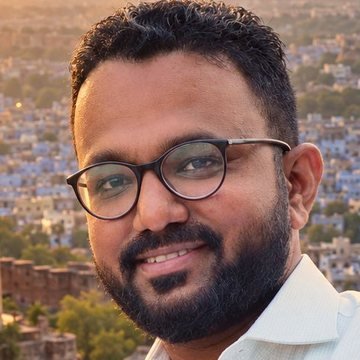 Prafull Pitale, founder18 years in travel · Thomas Cook India, MakeMyTrip, Travelguru
The TripRoutes difference
Why travellers choose us
One designer, start to finish
The person who plans your trip is the person you call. No hand-offs and no call-centre queues.
Clear prices, no surprises
A price per person with exactly what's included. Taxes and flights are quoted openly.
Private cars, better hotels
Every trip has its own car and driver, with hotels chosen for location, food and service.
Pure-veg and Jain, handled
We brief hotels and restaurants in advance, in India and abroad.
Paced for parents and children
Walking and altitude noted for each day, with short drives and ground-floor rooms on request.
Someone awake at 2 a.m.
A 24/7 helpline while you travel, and your day-by-day trip notes on WhatsApp.
How it works
From first message to home again
- 1
Tell us how you like to travel
Fill in the short form or send a WhatsApp message. It takes two minutes.
- 2
Get a day-by-day plan
Prafull sends an itinerary with three hotel options and a clear price per person.
- 3
Change anything, then confirm
Swap a day or upgrade a hotel. Confirm with a deposit by UPI, card or bank transfer.
- 4
Travel with someone on call
Your trip notes arrive on WhatsApp, with a 24/7 helpline until you're home.
What does TripRoutes do?
TripRoutes is a Mumbai-based travel company, founded in 2016 by Prafull Pitale, that designs private, tailor-made holidays to 12 destinations in India and abroad for couples, families and groups, with a 24/7 helpline during every trip.
How much does a TripRoutes holiday cost?
Land packages start at ₹15,500 per person for 4 nights in Kerala and go up to about ₹1,55,000 per person for 10 nights in Europe, for two people sharing. Flights are quoted separately.
Are your trips private or group tours?
Every trip is private: your own car and driver, your own pace and hotels chosen for you. Nothing is shared with strangers.
Do you plan trips for senior parents?
Yes. Our Easy journeys keep drives short, avoid early starts and list the walking and altitude for each day. We can arrange wheelchairs and ground-floor rooms.
Can you arrange pure-veg or Jain food?
Yes, in India and abroad. We note it on every booking and choose hotels and restaurants that can serve it.
What if something goes wrong during the trip?
Call or WhatsApp our 24/7 helpline. We rebook transfers, hotels or activities and keep you posted until it's sorted.
Plan with Prafull
Tell us about your trip
Share a few details and Prafull will reply on WhatsApp with ideas and a clear price, usually within a few hours.
- WhatsApp +91 91673 84834
- Call +91 74800 66666
- prafull.pitale@triproutes.in
- 304, Kailash Plaza Business Park, Ghatkopar East